✨ New Arrivals Just Dropped!Explore
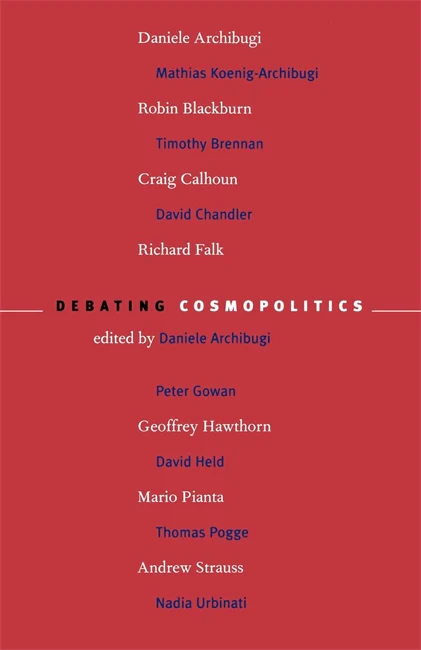
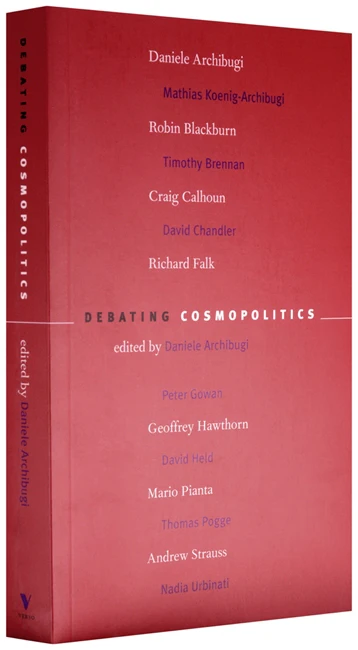
Debating Cosmopolitics
Cosmopolitics, the concept of a world politics based on shared democratic values, is in an increasingly fragile state. While Western democracies insist ever more vehemently upon a maintenance of their privileges—freedom of speech, security, wealth—an increasing number of the world’s inhabitants are under threat of poverty, famine and war.
What is needed, the writers suggest, is a deliberate decision to extend the principles and values of democracy to the sphere of international relations. Recent experience does not bode well, but their arguments, which range from reform of the United Nations, reduction of military weapons, additional power for international judiciary institutions and an increase in aid to developing countries, urge new and inspired action.
What is needed, the writers suggest, is a deliberate decision to extend the principles and values of democracy to the sphere of international relations. Recent experience does not bode well, but their arguments, which range from reform of the United Nations, reduction of military weapons, additional power for international judiciary institutions and an increase in aid to developing countries, urge new and inspired action.
Select Title
From $3.00
Original: $9.99
-70%Debating Cosmopolitics—
$9.99
$3.00Product Information
Product Information
Shipping & Returns
Shipping & Returns
Description
Cosmopolitics, the concept of a world politics based on shared democratic values, is in an increasingly fragile state. While Western democracies insist ever more vehemently upon a maintenance of their privileges—freedom of speech, security, wealth—an increasing number of the world’s inhabitants are under threat of poverty, famine and war.
What is needed, the writers suggest, is a deliberate decision to extend the principles and values of democracy to the sphere of international relations. Recent experience does not bode well, but their arguments, which range from reform of the United Nations, reduction of military weapons, additional power for international judiciary institutions and an increase in aid to developing countries, urge new and inspired action.
What is needed, the writers suggest, is a deliberate decision to extend the principles and values of democracy to the sphere of international relations. Recent experience does not bode well, but their arguments, which range from reform of the United Nations, reduction of military weapons, additional power for international judiciary institutions and an increase in aid to developing countries, urge new and inspired action.