✨ New Arrivals Just Dropped!Explore
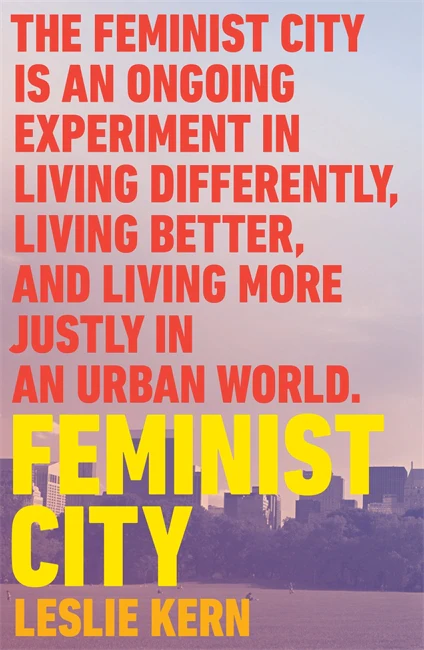
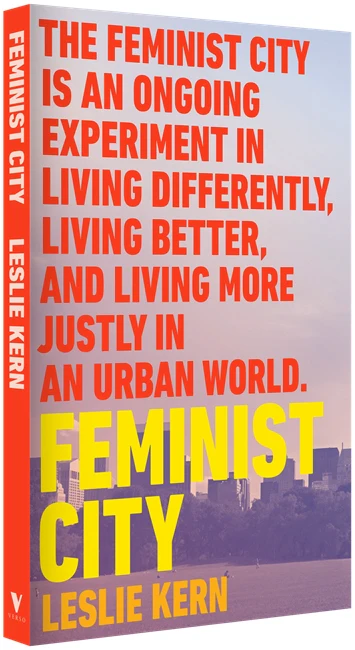
Feminist City
What should a metropolis for working women look like? A city of friendships beyond Sex and the City. A transit system that accommodates mothers with strollers on the school run. A public space with enough toilets. A place where women can walk without harassment.
Through history, personal experience and popular culture Leslie Kern exposes what is hidden in plain sight: the social inequalities are built into our cities, homes, and neighbourhoods. She maps the city from new vantage points, laying out a feminist intersectional approach to urban histories and proposes that the city is perhaps also our best hope for shaping a new urban future. It is time to dismantle what we take for granted about cities and to ask how we can build more just, sustainable, and care-full cities together.
Through history, personal experience and popular culture Leslie Kern exposes what is hidden in plain sight: the social inequalities are built into our cities, homes, and neighbourhoods. She maps the city from new vantage points, laying out a feminist intersectional approach to urban histories and proposes that the city is perhaps also our best hope for shaping a new urban future. It is time to dismantle what we take for granted about cities and to ask how we can build more just, sustainable, and care-full cities together.
Select Title
From $3.00
Original: $9.99
-70%Feminist City—
$9.99
$3.00Product Information
Product Information
Shipping & Returns
Shipping & Returns
Description
What should a metropolis for working women look like? A city of friendships beyond Sex and the City. A transit system that accommodates mothers with strollers on the school run. A public space with enough toilets. A place where women can walk without harassment.
Through history, personal experience and popular culture Leslie Kern exposes what is hidden in plain sight: the social inequalities are built into our cities, homes, and neighbourhoods. She maps the city from new vantage points, laying out a feminist intersectional approach to urban histories and proposes that the city is perhaps also our best hope for shaping a new urban future. It is time to dismantle what we take for granted about cities and to ask how we can build more just, sustainable, and care-full cities together.
Through history, personal experience and popular culture Leslie Kern exposes what is hidden in plain sight: the social inequalities are built into our cities, homes, and neighbourhoods. She maps the city from new vantage points, laying out a feminist intersectional approach to urban histories and proposes that the city is perhaps also our best hope for shaping a new urban future. It is time to dismantle what we take for granted about cities and to ask how we can build more just, sustainable, and care-full cities together.