✨ New Arrivals Just Dropped!Explore
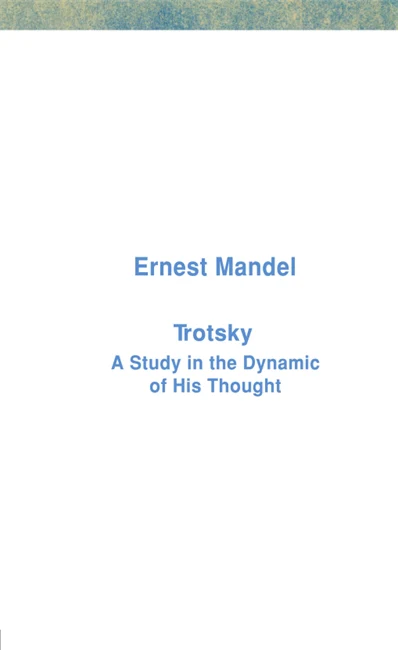
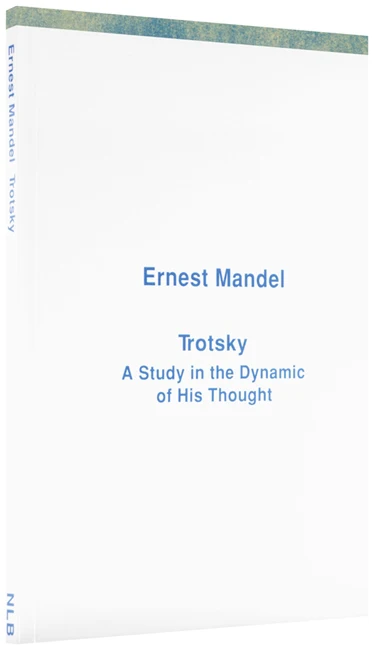
Trotsky
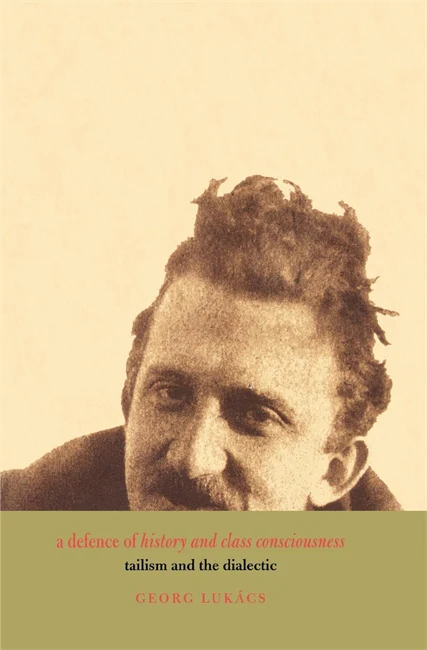
Leon Trotsky was the most important contributor to the development of revolutionary Marxism this century, after Lenin. As exiled militant or Soviet statesman, party organizer or public orator, as political analyst, soldier or commentator on cultural trends, he was centrally involved in the world-historic upheavals of his time and foremost among the interpreters of their significance for socialism. Yet the fate of his achievement was dramatically discrepant from Lenin's. At the latter's death in 1924, his revolutionary authority was at its zenith. In the Soviet Union his writings were consecrated as repository of a finished dogma, 'Leninism'. Abroad, his thought was interpreted in way much closer to its own original spirit by Georg Lukács, whose remarkable Lenin sought to elicit its unity and actuality for a later revolutionary generation. In polar contrast, factional assault, official disgrace and proscription, anathema and slander, were the conditions of Trotsky's later life and activity—until his assassination in 1940—and the unvarying background of any reaffirmation of his heritage for decades afterwards. Systematic publication of his writings was beyond the means of his political followers—whose internal discussions of his ides were supplemented only by the attentions of liberal (where not reactionary) academics. In the last decade, however, with the resurgence of the political formations associated with his name, Trotsky's political role and ideas have again become topics of vigorous debate among socialists. Ernest Mandel's book makes possible a necessary extension of this debate by providing the first ever synthetic account of the development of Trotsky's Marxism in its successive encounters with the key problems and crises of the epoch. The Russian revolution and the theme of uneven development, the construction of revolutionary parties, the struggle against fascism and imperialism at large, the nature of Stalinism and the prospect of a full socialist democracy, are all discussed in a compact study that makes a fitting and long overdue counterpart to Lukács's historic study of fifty years ago.
Select Title
From $3.00
Original: $9.99
-70%Trotsky—
$9.99
$3.00Product Information
Product Information
Shipping & Returns
Shipping & Returns
Description
Leon Trotsky was the most important contributor to the development of revolutionary Marxism this century, after Lenin. As exiled militant or Soviet statesman, party organizer or public orator, as political analyst, soldier or commentator on cultural trends, he was centrally involved in the world-historic upheavals of his time and foremost among the interpreters of their significance for socialism. Yet the fate of his achievement was dramatically discrepant from Lenin's. At the latter's death in 1924, his revolutionary authority was at its zenith. In the Soviet Union his writings were consecrated as repository of a finished dogma, 'Leninism'. Abroad, his thought was interpreted in way much closer to its own original spirit by Georg Lukács, whose remarkable Lenin sought to elicit its unity and actuality for a later revolutionary generation. In polar contrast, factional assault, official disgrace and proscription, anathema and slander, were the conditions of Trotsky's later life and activity—until his assassination in 1940—and the unvarying background of any reaffirmation of his heritage for decades afterwards. Systematic publication of his writings was beyond the means of his political followers—whose internal discussions of his ides were supplemented only by the attentions of liberal (where not reactionary) academics. In the last decade, however, with the resurgence of the political formations associated with his name, Trotsky's political role and ideas have again become topics of vigorous debate among socialists. Ernest Mandel's book makes possible a necessary extension of this debate by providing the first ever synthetic account of the development of Trotsky's Marxism in its successive encounters with the key problems and crises of the epoch. The Russian revolution and the theme of uneven development, the construction of revolutionary parties, the struggle against fascism and imperialism at large, the nature of Stalinism and the prospect of a full socialist democracy, are all discussed in a compact study that makes a fitting and long overdue counterpart to Lukács's historic study of fifty years ago.